
It’s been a month since the end of all the fun of this year’s London Beer City. We asked Patrick Matthewson, who has been helping out with London Brewers’ Market behind the scenes, to give us a run-down of some of the several events that happened.
London Beer City was an incredible celebration of the vibrant beer scene, a time for brewers and beer enthusiasts to come together and appreciate the mass of unbelievable beer being produced from all across the globe. The festival was a fantastic opportunity to see London’s position in the craft beer revolution with pubs all across the city getting involved and showcasing their commitment to great brews.

The week was jam-packed with exciting events such as a brew day with Clarkshaws, the launch of Redchurch’s barrel-aged saison and a look into label art at Camden Town Brewery. Particularly exciting was Cask Is Important at The Duke’s Head in Highgate, a week long exploration of cask beer and it’s relevance in today’s craft beer scene. The event was curated by beer writer Matt Curtis and the team at The Duke’s Head. They curated a truly outstanding list featuring brews from The Five Points Brewing Company, Moor and Magic Rock amongst others greatly enriched by a tutored tasting from Matt Curtis. The beers all helped to reaffirm cask as a vital part of our brewing culture and showcased unique flavour profiles from well established brews like Beavertown’s Smog Rocket. A particular highlight was the exclusive brew from Weird Beard, Curtis and The Duke’s Head – The Duke of Dank, a big, hoppy red IPA which left a lingering impression on the consumer with rich fruity flavours. The beer is released in bottles and is well worth tasting.
London Beer City highlighted the versatility of beer and in particular it’s powerful relation to food with events such as a Japanese food pairing at Brew By Numbers and a pie and ale session with Fuller’s. During the week Ned Palmer hosted some delicious cheese and beer pairing at some of London’s best breweries. The sessions created some unbelievable taste combinations and showed beer to be a worthy challenger to the more established wine and cheese pairings. These enthralling events really encapsulated the brilliance of London Beer City and shows how beer is beginning to challenge established culinary pairings.
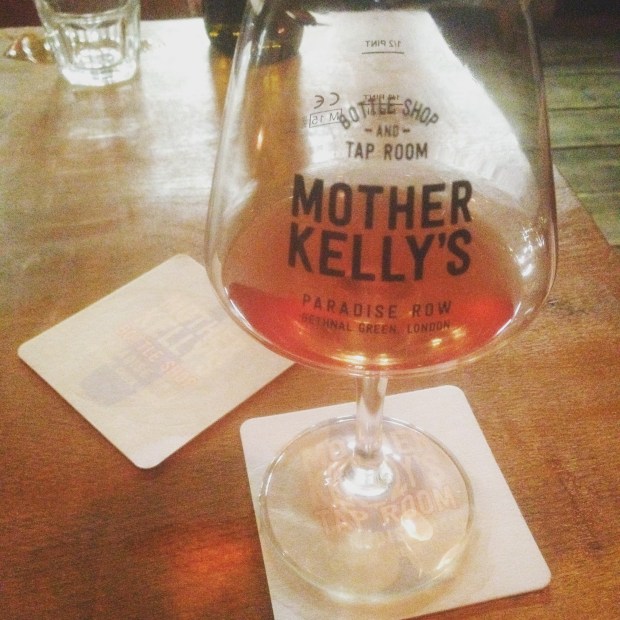
Amongst all of this were tap takeovers from breweries at the forefront of the craft beer scene. These included Derbyshire heavyweights Thornbridge, the consistently inventive Mad Hatter Brewing, Welsh favourites Tiny Rebel and Hackney brewers The Five Points Brewing Company. These events at venues including Mother Kelly’s, Hop & Berry and Hand of Glory offered consumers an insight into the range of brews being made by brewers in different areas of the country.
London Beer City neatly included the Great British Beer Festival and London Craft Beer Festival. Both were excellent examples of how diverse the beer scene is at the moment and delighted fans of both cask and keg no end. They included brilliant brews from Partizan, London Brewing Co and Pressure Drop amongst others and further established London at the forefront of the beer scene.
Ultimately London Beer City was a special week and was something that brought together the disparate elements of the beer scene into one incredible celebration. It created a tangible representation of the community that is developing around beer in London. A big thank you to Will Hawkes, writer of Craft Beer London, for all his hard work and for organising such an unbelievable week. Bring on next year!


 Showcasing The Independent Brewers of London